Consoles or PCs – What’s Better for Gaming?
The advent of technology has brought us many interesting things – we are now able to easily perform tasks that
Read more
Genius Gadgets
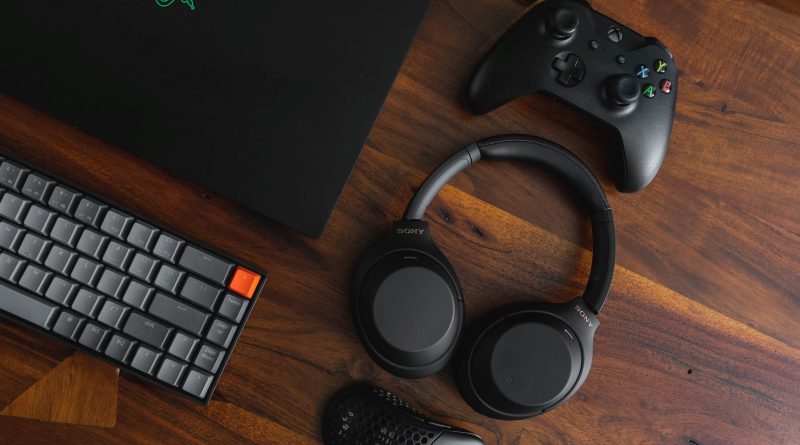
The advent of technology has brought us many interesting things – we are now able to easily perform tasks that
Read more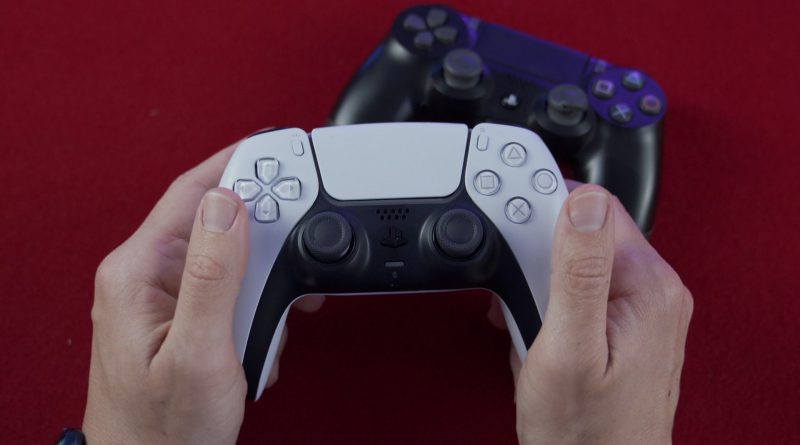
We have seen that consoles have made an incredible breakthrough in the world of gaming and that they offer the
Read more
With any craft, skill, or trade, good tools are not enough to make you stand out and make something of
Read more
Cable and streaming services bring us our favorite TV shows and movies. Our phones have become nearly irreplaceable means of
Read more
We have all grown very dependent on the tech that surrounds us, in fact, it’s very hard to do our
Read more
Nowadays when we don’t know the answer to something or if we are not sure and want to verify the
Read more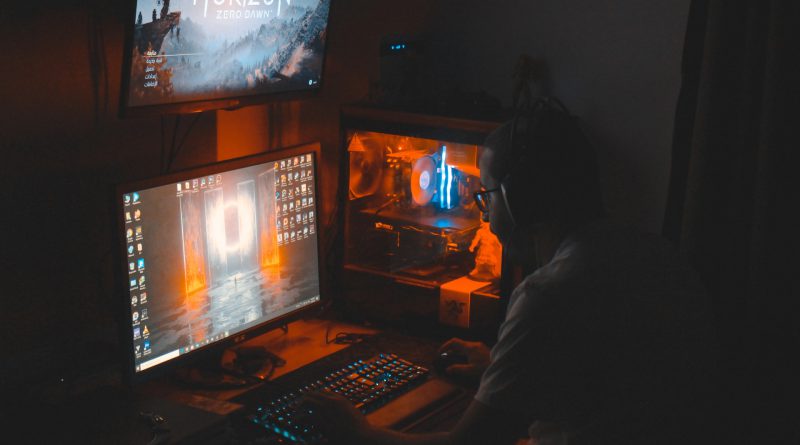
Video games are a part of a lot of people’s lives and in this modern day and age, they are
Read more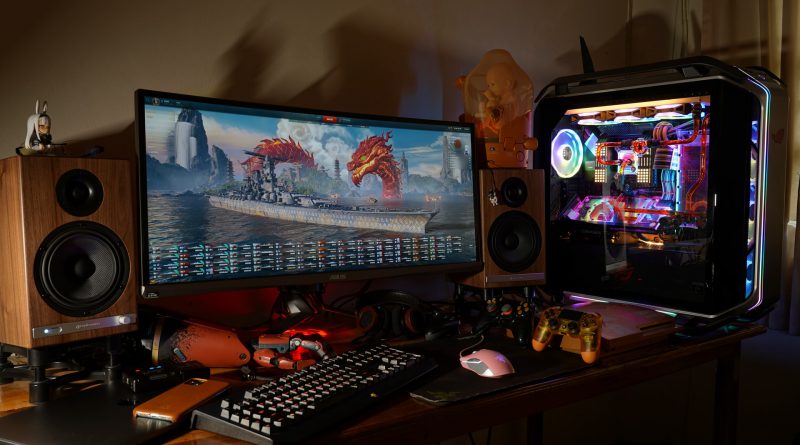
Video games are popular and today, most people game on some sort of console, mobile device or PC. PC gaming
Read more
Not many words on the internet are as hated as the term ‘influencer’. It usually summons a picture of a
Read more
The internet we use at home on a regular basis is just a fragment of the entire network. Think of
Read more